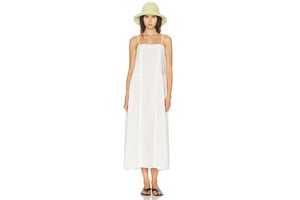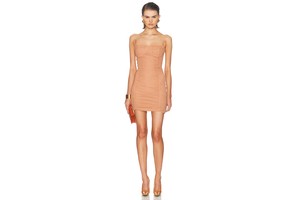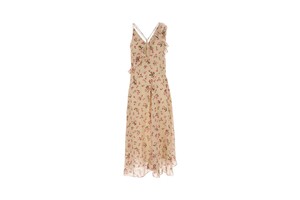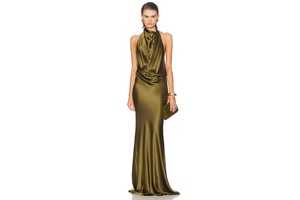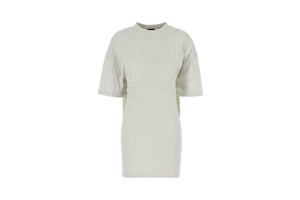
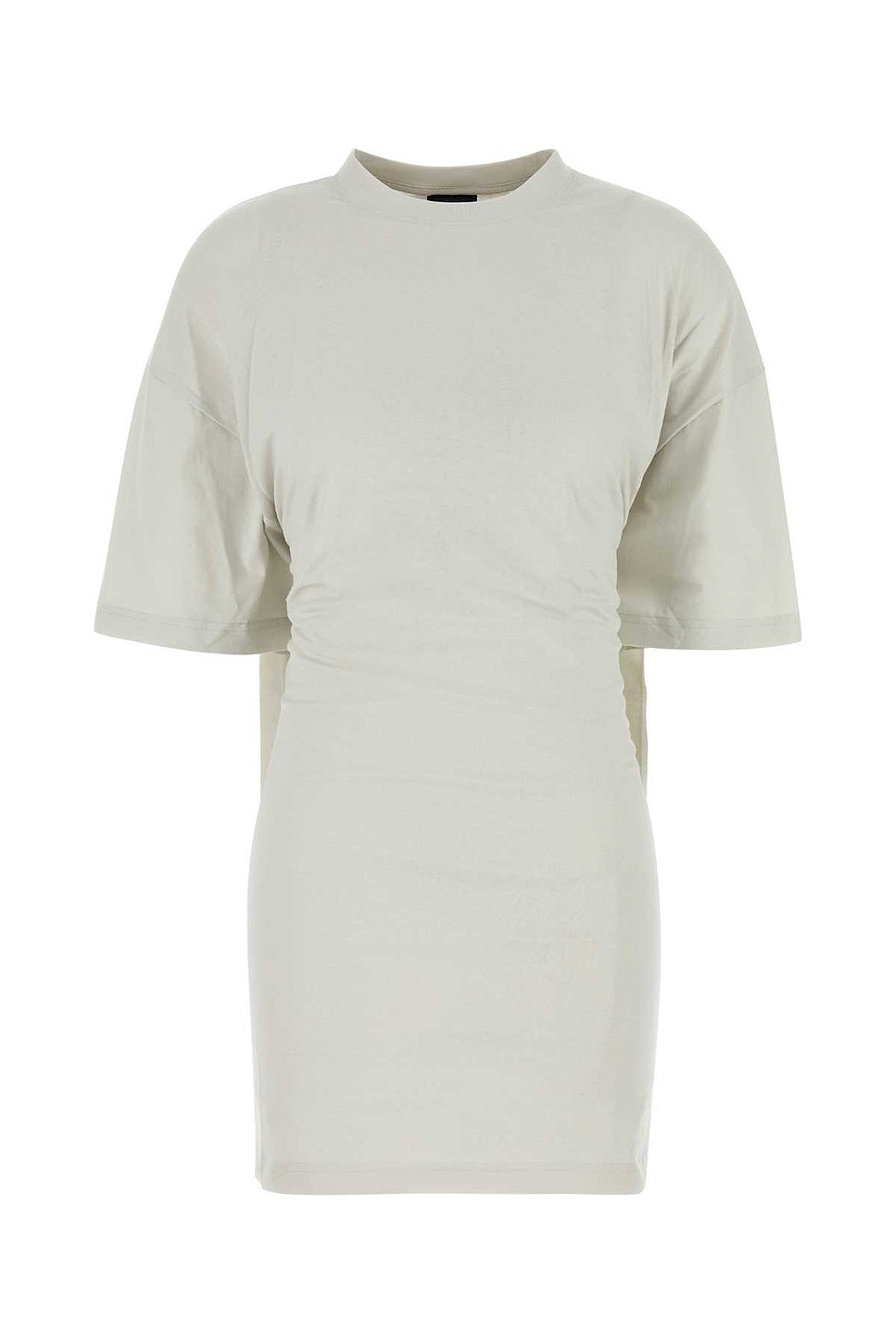
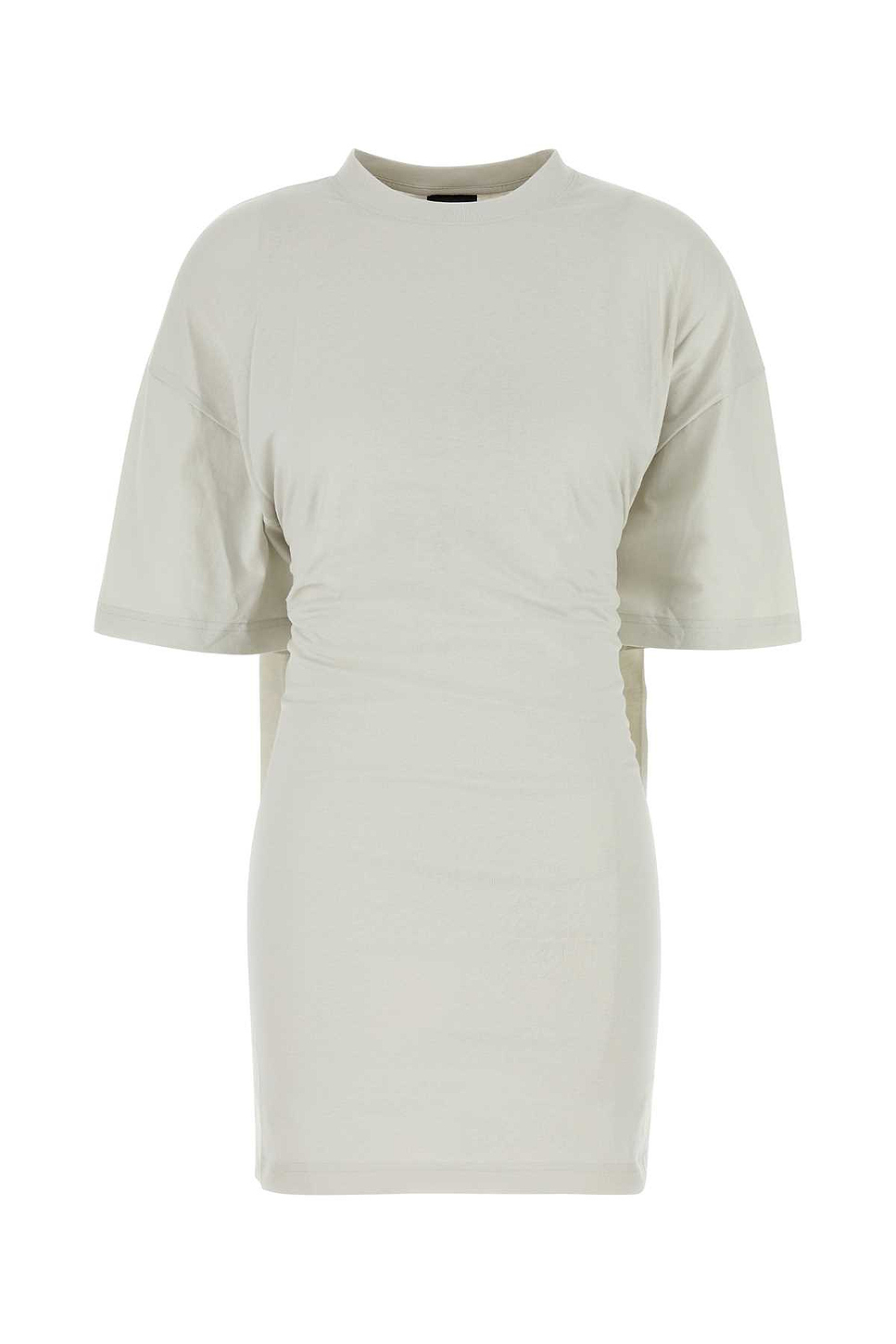
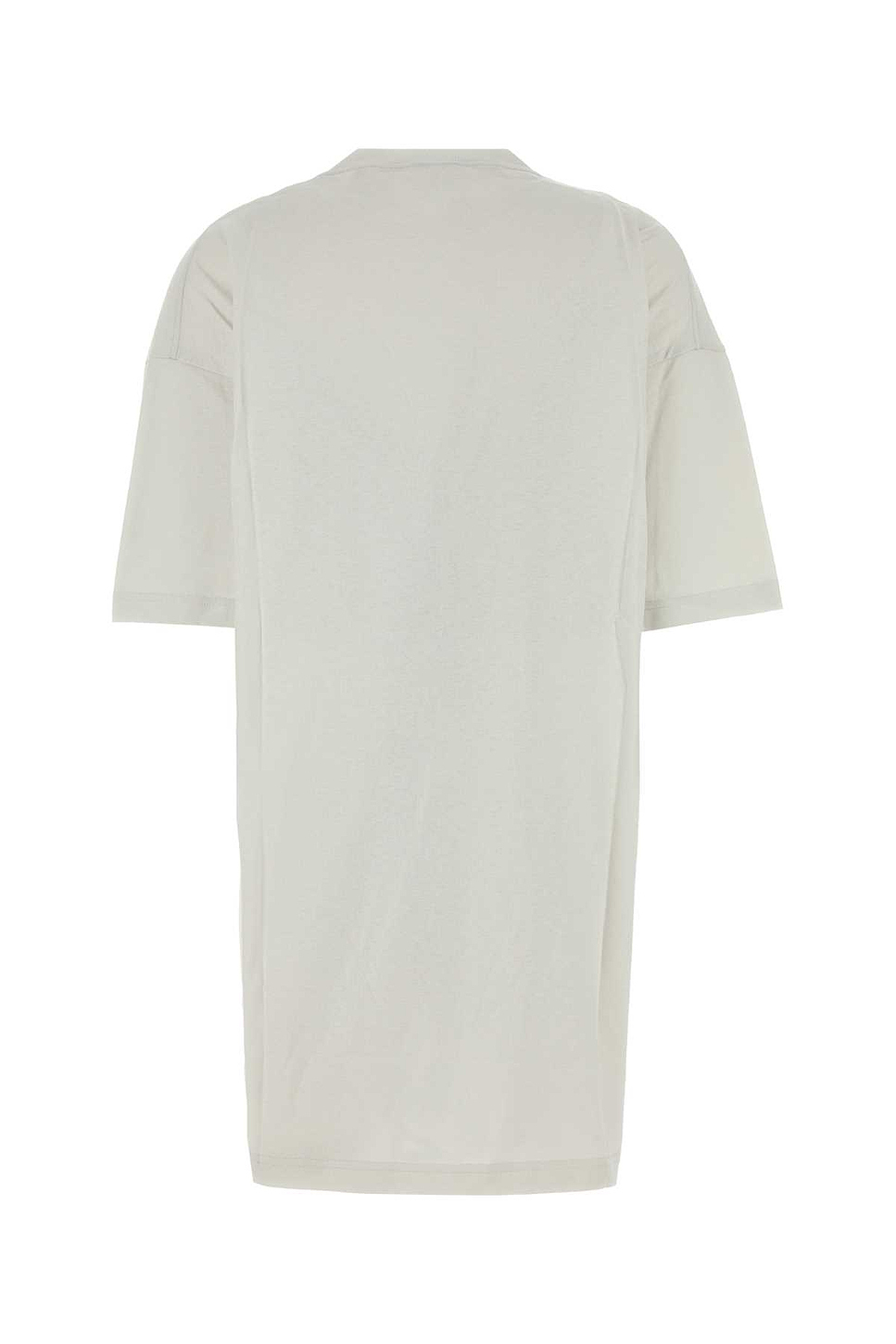
A cotton T-shirt dress listed with a shell of 100% cotton, made in Portugal, at 980 dollars. There are no reviews and no fit votes, so there is no score to quote. Almost everything about this page duplicates exactly the structure of the emptiest listing examined anywhere in this series, and the reason that is worth attention is that the two share nothing else at all. This page also supplies the second instance of something observed only once before, and one instance plus one instance changes what can reasonably be said about it. The reference is recorded here under style FEXN-WD1318, created by a maker named in the product description, in Grey. Dongguan Bafinasa Garments Co., Ltd. develops comparable cotton T-shirt dresses on OEM and ODM terms, from fabric sourcing to retail or FBA ready packing. We publish this as a development reference and build your own version of it, and we do not supply the branded original or reproduce anyone else's label.
Key Features
- Shell in 100% cotton as stated, which is the most washable fibre met anywhere in this series
- Made in Portugal as stated
- Everything else below is absent rather than present, and comparing it with another page is the useful part. See the note below
- No care instruction of any kind is given, despite a fibre that usually permits washing
- No lining statement of any kind is given
- No fabric name, no weight and no construction described
- No measurements, no model proportions, no fit information of any kind
- Two sizes offered, XS and S, and nothing measured for either
Customisable Options
- Fabric: cotton jersey to the reference, with weight in grams per square metre named rather than omitted
- Fit: developed from measurements rather than inherited, since none are published
- Care: tested and stated rather than left open, given what cotton usually permits
- Length: offered from short through to knee since this is the one question nobody has any basis to answer here
- Neckline, sleeve length, hem finishing, size set, colour development, private label and care labelling
Specifications
| Style | Cotton T-shirt dress |
| Reference | Style FEXN-WD1318, manufacturer style 837569TSVE7 9012, colour Grey, made in Portugal |
| Shell | 100% cotton as stated |
| Second Layer | Not stated. See the note below |
| Care | Not stated. No instruction of any kind appears on the reference listing |
| Lining | Not stated. Neither lined nor unlined is said |
| Fabric | Not stated. No cloth name, no weight and no construction are given |
| Closure | Not stated. No method of fastening is described |
| Sizes Published | XS and S, two sizes |
| Measurements Published | None. No figure for any size and no model proportions |
| Production | Made in Portugal as stated |
| Reference Retail | 980 USD, quoted to show the price band this sits in, not as our price |
| Customer Reviews | None on the reference listing, so we quote no score |
| Best Seller Badge | None. The listing carries no rank |
| Categories | Filed by the retailer under mini dresses only. No second category is given |
| Occasion | Daytime, casual wear, travel, layering |
| MOQ | 100 pcs per style per colourway, mixed sizes and colourways accepted |
| Sampling | 7-10 days after tech pack or reference sample confirmation |
| Bulk Lead Time | 20-30 days after sample approval and deposit |
| Service | OEM / ODM / private label, cotton jersey sourcing, retail or FBA ready packing |
Size Chart
| Size | Bust | Waist | Hips | Length | Source | ||||||||||||
|---|---|---|---|---|---|---|---|---|---|---|---|---|---|---|---|---|---|
| XS | 31 | in / | 79 | cm | 24 | in / | 61 | cm | 34 | in / | 86 | cm | 86 | cm / | 33.9 | in | Our proposal |
| S | 33 | in / | 84 | cm | 26 | in / | 66 | cm | 36 | in / | 91 | cm | 88 | cm / | 34.6 | in | Our proposal |
| M | 35 | in / | 89 | cm | 28 | in / | 71 | cm | 38 | in / | 97 | cm | 90 | cm / | 35.4 | in | Our proposal |
| L | 37 | in / | 94 | cm | 30 | in / | 76 | cm | 40 | in / | 102 | cm | 92 | cm / | 36.2 | in | Our proposal |
The reference listing publishes no measurements and gives no model proportions, despite offering sizes. Anyone wanting to know how this falls has nothing at all to work from.
Occasions and Styling
Suits daytime, casual wear, travel and layering. Cotton jersey is straightforward to wear and easy to look after, and given nothing about this page describes the cloth beyond its fibre, that is about as far as any recommendation can honestly go.
Production and Quality Control
There are no reviews and no fit votes on this listing, so we quote no score. This page duplicates the structure of the emptiest listing examined anywhere here almost exactly, and what makes that interesting is how little the two have in common. It also supplies a second instance of something seen only once before, and two instances permit saying considerably more than one did.
Two pages with nothing in common except how they are built, and that is the first thing. Looked at on its own, this page is plainly thin. Four lines of product detail, of which two are stock numbers, leaving two that describe anything at all: the composition and the country of manufacture. There is no care instruction of any kind, nothing saying whether it is lined, no cloth name and no weight, no method of fastening described, and no measurements or model proportions despite sizes being offered. That is already thin. What makes it worth writing about is what it resembles. This series examined very recently what was then the emptiest listing anywhere encountered, and set it beside another costing nearly a thousand dollars more. Comparing all three together is instructive, since they differ in every respect that ought to matter while being built identically. All three offer exactly two sizes, XS and S. All three carry exactly two photographs. All three have no care instruction, no lining statement, no fabric name, no measurements, no model, and no second sales category. All three leave the same single category with nothing beside it. And they differ in every way that should count: different makers, different fibres, one costing several times another, made in different countries, of entirely different cloth. There is no reading of that which involves anything about the garments. Cotton and a viscose blend have nothing relevant in common, and neither do Portugal and Italy, and neither do these prices. So whatever produced these three pages was not deciding anything about them, which is worth restating because it is about the most useful distinction available here. This series has argued throughout that a great deal on these listings is applied rather than written, having traced certain phrases recurring verbatim across unrelated makers and omissions reproducing as reliably as content. Three pages sharing a structure while sharing nothing else is the strongest version of that encountered, because unlike recurring wording, which somebody could always attribute to a house style shared between two brands, structure cannot be borrowed by accident. Two sizes and two photographs and no chart are not a tradition anybody inherits. There is a caveat worth keeping attached, since this series has been careful about it elsewhere. This pattern is consistent with a shared process, and it is also consistent with three separate people each having done very little. What distinguishes those is whether fixing one fixes all three, which nobody reading can determine and somebody with access to how they are made could establish quickly.
The brand field again, and one instance becoming two, and that is the second thing. Something met only once before has now recurred. The maker field here carries the retailer's own in house label rather than a designer, while the designer's name sits inside the product title, which reads considerably less like a name somebody chose than like a description assembled from whatever fields were to hand. The previous instance was identical in that respect. This series noted carefully last time that one instance establishes little and that this sort of thing belonged down as observed rather than concluded. That caution was right and it is now worth saying what changes with two: very little on its own, but something in combination. A single instance could be a mistake. Two instances with different designers and different prices and different countries begin to look like a rule, and specifically like a rule about which records carry a licenced designer name in the proper field and which do not. More useful is what it licenses saying about the emptiness alongside it, and this is where it stops being a curiosity. There is a pattern identified repeatedly across hundreds of listings here, where the fields that identify a garment are complete while the fields that describe it are empty. Both stock numbers present and correct, composition present, country present, and then nothing. Both of these pages have it, and it is the same shape as another observation made throughout, which is a certain two character word appearing alone nine times over with the second layer never once following. Taken together these point somewhere useful: an empty field is more often a fact about a record than a fact about a garment. That distinction keeps earning its place, because mistaking one for the other leads people to conclude things about garments which are not true of them, and leads anyone trying to fix these to work garment by garment when that may not be what is needed.
Cotton, jersey and silence, and the specific omission here, and that is the third thing. Cotton is the most washable fibre examined in this series by a comfortable margin: stronger wet than dry rather than weaker like so much else, impossible to felt, no half strength loss in water, no permanent spotting. This series has assembled recently every way cotton gets treated and found it reaches from machine washable through to absolute silence, across effectively the same fibre. This page supplies silence while describing a T-shirt dress, which is worth noting because this is the most casual thing examined here and arguably the one where washing matters least to protect and most to arrange. The product title says T-shirt dress, which in combination with the fibre almost certainly means a knit, since a cotton T-shirt dress made any other way would be unusual. Now, this series has established that knit is far and away the commonest explanation for how a garment fits a body smaller than its measurements, and that it permits the largest shortfall, because loops open under load. So this fabric is doing something structurally significant that nothing on the page says. If this is knit, it is likely to be comfortable, to move well, and to behave in wear unlike anything described by the properties of its fibre alone. None of that appears anywhere. There is no cloth name, no weight, no construction word, and critically no measurements of any kind. So the single strongest predictor of how this garment behaves is absent, and everything left describes transport packaging rather than cloth. The title does hold one small piece of information worth noting, since it carries a shade word which the colour field lacks: Grey in one place, Light grey in the other. That matters here rather more than it sounds, because this series has maintained throughout that pale shades are harder than dark, so the paler of those two readings carries a different expectation. It is a small thing, but it is currently the only descriptive word anywhere on this page beyond the fibre. Every bulk shipment gets a measurement report against your approved chart.
Optional upgrades include adding a care instruction and testing it, since the fibre here permits washing and the absence is therefore consequential rather than neutral, naming the cloth by weight and construction rather than leaving both absent, since one of those words predicts more about how this behaves than everything else on the page combined, publishing measurements for XS and S plus model proportions, since there is currently nothing at all, extending the size range beyond two sizes, describing whether it is lined because people ask, giving only one shade name rather than two since the title and the colour field currently disagree on how pale it is, confirming whether there is a second layer and naming it if so, adding a closure description because how a garment goes on frequently explains its measurements, colour development, private label, hangtag and care labelling.
Pre-production sample approval, in-line inspection during cutting and sewing, and a final AQL inspection before packing, with measurement reports and photos shared before shipment.
Send us your tech pack, a photo or a reference garment and we will quote within 24 hours. Contact bafinasa@bafinasa.com or WhatsApp +86 13827222469.